
Real 2026 pricing for weekly service, one-time cleanups, and repairs across Corona and the Inland Empire, with no lowball games.
It’s the first thing most Corona homeowners want to know before they pick up the phone: what does pool service actually cost? It’s a fair question, and the honest answer is that it varies more than you’d expect. So instead of dodging it, here’s a straight breakdown of what pool care really runs in Corona, what makes the number go up or down, and how to tell a fair quote from a too-good-to-be-true one.
In Corona and the surrounding Inland Empire, weekly pool service typically runs $150-$250 a month, chemicals included. One-time jobs like a green-to-clean or an acid wash are priced separately, and equipment repairs are their own line item. The rest of this guide shows exactly where those numbers come from.
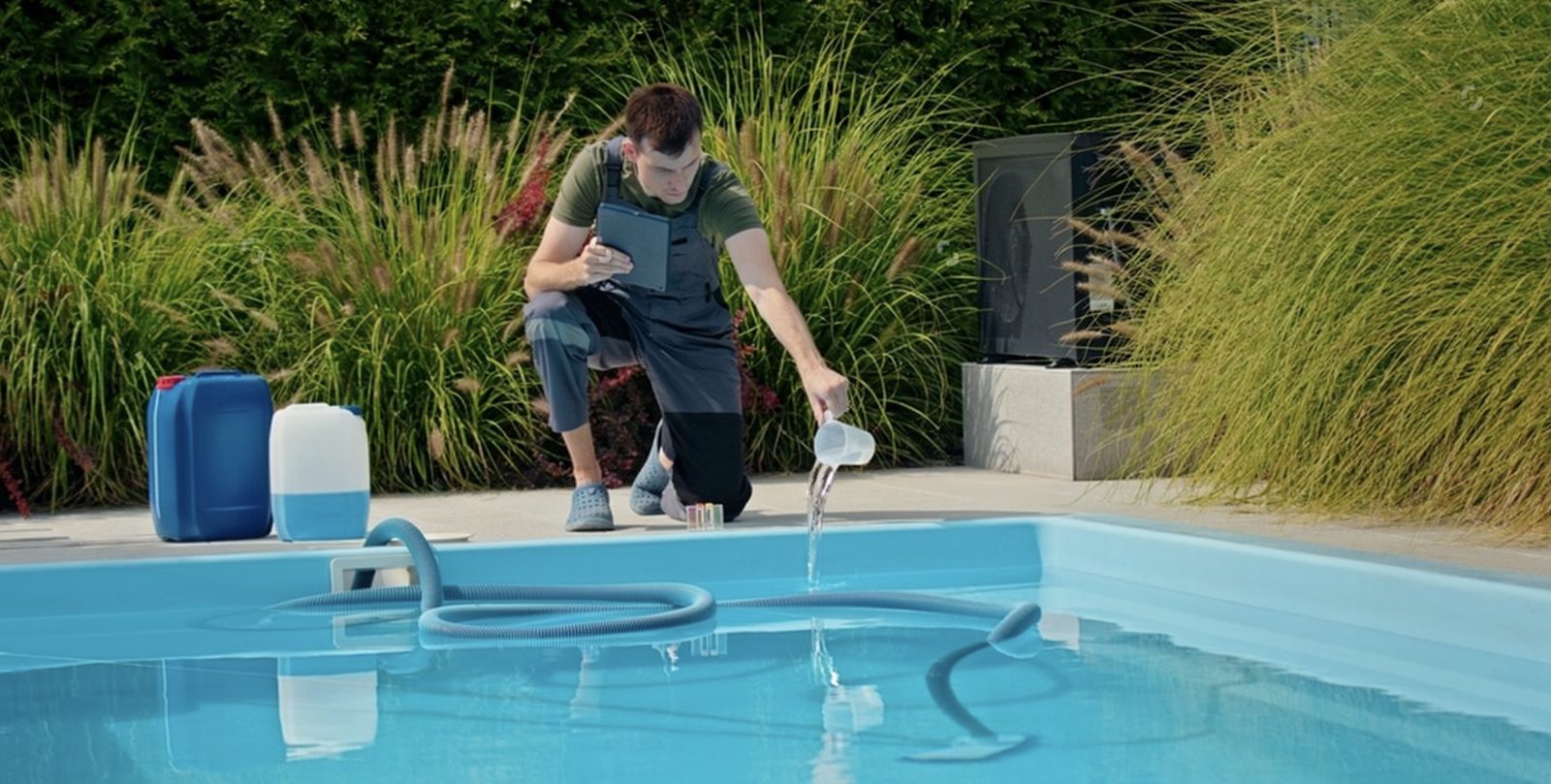
What Weekly Pool Service Costs in Corona
In practice, most Corona pools are on a weekly or every-other-week plan. Weekly service keeps the water chemistry stable through our long, hot swim season, which is the whole point. Steady chemistry is what prevents the expensive problems down the line. Here’s what the common recurring plans cost:
| Service | Typical Range | What’s Included |
|---|---|---|
| Weekly Maintenance | $150-$250 / mo | Chemicals, brushing, skimming, emptying baskets, filter check, water test and balance |
| Bi-Weekly Maintenance | $100-$175 / mo | Same scope, every other week |
| One-Time Deep Clean | $200-$400 | Full brush, vacuum, chemical reset, equipment check |
To begin with, the single biggest driver is pool size. A 10,000-gallon pool uses far less chlorine and treatment than a 25,000-gallon one, and since most companies build chemicals into the monthly rate, a bigger pool simply costs more to keep balanced. If a company quotes you the exact same price as a neighbor with a pool twice the size, that’s a small red flag worth asking about.
Pool Service Prices at a Glance
Here’s how the most common Corona pool jobs stack up, from routine upkeep to bigger one-time projects:
Inland Empire market ranges. Your actual price depends on pool size, condition and water chemistry.
What Makes Your Pool Bill Go Up or Down
No two pools cost the same to maintain. A handful of factors move the number more than anything else:
Pool size and how much water you’re treating
Generally, more gallons means more chemicals, more brushing, and more time each visit. Size is usually the first thing a good tech asks about when quoting.
Corona’s hard water
This one is local, and it’s a real cost factor most companies won’t mention. Our tap water is hard, so as it evaporates in the heat, dissolved minerals concentrate and calcium tends to build up, scaling on pool surfaces, inside the filter, and on heater components. That scale makes equipment work harder and wear out sooner, which is exactly why consistent, properly balanced service pays for itself here. Skip it, and you’re often paying for repairs instead.
Equipment condition
For example, a pool with a struggling pump, a clogged filter, or an aging heater takes more attention on every visit. A reputable company checks your equipment on the first visit and quotes accordingly instead of quoting low and tacking on charges later.
How often it’s serviced
Weekly service holds your chemistry steady and catches small issues early. Bi-weekly saves a little each month but leaves more room for algae to take hold between visits, and in Corona’s summer heat, that gap can turn into a costly green-pool recovery. From roughly April through October, weekly is the safer call.
One-Time and Recovery Services
Of course, not everything is a monthly plan. These are the jobs Corona homeowners call about most, and what they generally cost:
| Service | Typical Range | When You Need It |
|---|---|---|
| Green-to-Clean Recovery | $250-$600 | Pool has turned green from algae; usually a multi-step, multi-visit cleanup |
| Acid Wash | $300-$700 | Stained or dull plaster that brushing won’t fix; drains and resurfaces the finish |
| Filter Cleaning | $60-$180 | Every few months; DE and cartridge filters cost more than a sand backwash |
| Drain and Refill | $150-$250 | Old, over-mineralized water that needs replacing (plus water cost) |
Notably, filter cleaning is worth calling out for Corona specifically: our dusty, high-UV, hard-water environment makes filters work harder than they would in most of the country, so they need attention a bit more often. Staying on top of it is cheap insurance against poor circulation and cloudy water.
Equipment Repairs: The Wild Card
In addition, repairs are the least predictable part of owning a pool. When something breaks, here’s the general range in the Inland Empire:
| Repair | Typical Cost |
|---|---|
| Pool pump motor replacement | $300-$700 |
| Variable-speed pump install | $800-$1,500 |
| Salt cell replacement | $400-$900 |
| Pool heater repair | $200-$600 |
| Automation system install | $1,200-$3,500 |
For instance, a variable-speed pump is the upgrade that most often pays for itself. It runs far more efficiently than an old single-speed and can noticeably cut your energy bill. If you’re weighing a repair against a replacement, our equipment repair team can tell you honestly which makes more sense.
Why Some Quotes Are So Cheap (and What It Costs You Later)
You’ll see ads for pool service at $69 or $89 a month, and it’s worth understanding what that number really means. At that price, something is getting cut: watered-down chemicals, skipped visits, no service report, or a tech who’s at your pool for eight minutes and gone. In the Corona market, legitimate weekly service with real chemicals costs more than that, and the “savings” usually reappear later as an algae bloom or a worn-out pump.
So before you hire anyone, ask a few simple questions: Are chemicals included in the monthly rate? Do I get a report after each visit showing what was added and what the readings were? What happens if you miss a week? Are you licensed and insured? Honest answers to those tell you far more than the sticker price.
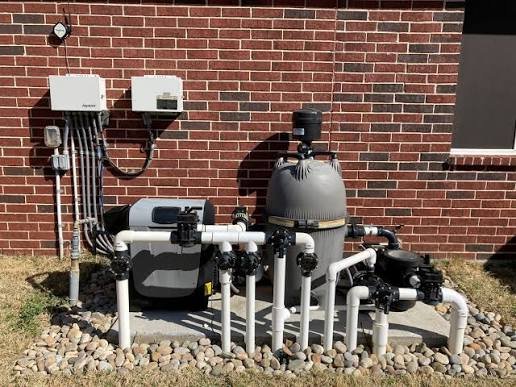
Serving Corona and the Surrounding Areas
Reign Pool Services keeps pools clean, balanced, and swim-ready across the Inland Empire, from Corona, Murrieta, Lake Elsinore, and Wildomar. Every pool is different, so the best way to get a real number for yours is a quick, no-pressure quote.
Ready for clear water without the guesswork?
Get an honest, no-pressure quote for your Corona pool today.
Frequently Asked Questions
Pool Service Pricing Questions
How much is weekly pool service in Corona, CA?
Weekly pool service in Corona typically costs $150-$250 per month with chemicals included. The exact price depends mostly on your pool’s size and condition. Larger pools use more chemicals and take more time, so they land toward the higher end.
Why are some pool service quotes as low as $69 a month?
Rock-bottom quotes usually mean something is being cut: diluted chemicals, skipped visits, no service report, or very short visits. In the Corona market, legitimate weekly service with real chemicals costs more, and the low price often leads to bigger repair bills later.
How much does it cost to fix a green pool in Corona?
A green-to-clean recovery generally runs $250-$600, depending on how bad the algae is. Severe blooms take multiple visits and more chemicals. In short, consistent weekly service is the cheapest way to avoid a green pool in the first place.
Choosing and Scheduling Pool Service
Is a saltwater pool cheaper to run than chlorine?
Day to day, a salt system usually costs less because it generates its own chlorine, but the salt cell wears out over time and typically costs $400-$900 to replace. In Corona’s hard water, keeping the cell free of scale is what protects that investment.
Are pool chemicals included in the monthly price?
With Reign Pool Services, yes, chemicals are included in the weekly rate, and you get a clear picture of what was added and tested on each visit. Always confirm this with any company, since some quote a low base rate and bill chemicals separately.
How often should a pool be serviced in Corona?
Weekly service is recommended from roughly April through October, when heat and heavy use make the water chemistry harder to keep stable. Some pools do fine on bi-weekly service in cooler months, but weekly is the safest way to prevent algae and protect your equipment.
